Steel, Grit, and the Badger: Bernard Hinault’s Triumph at the 1982 Giro d’Italia
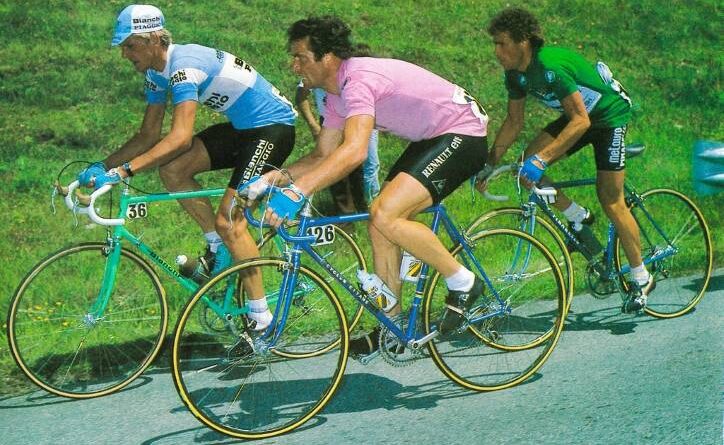
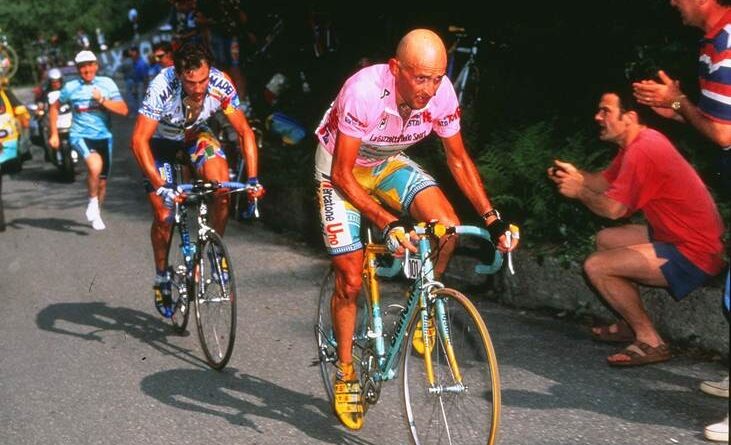
Few garments in sport are as iconic as the Maglia Rosa – the pink jersey worn by the leader of the Giro d’Italia. Since its introduction in 1931, the jersey has come to symbolize not just leadership, but also legacy, elegance, and Italian cycling heritage. While many editions of the jersey have captivated fans, one design in particular stands out as the most beloved and emblematic: the 1998 Maglia Rosa, worn by Marco Pantani.
When cycling fans talk about the most heroic performances ever witnessed on two wheels, the 1980 edition of Liège–Bastogne–Liège — known as La Doyenne ("the oldest") — always comes up. It was more than just a race; it was a battle against the elements, a brutal epic that turned into the stuff of legend thanks to one man: Bernard Hinault. On April 20, 1980, the Ardennes were battered by an unrelenting snowstorm. Out of the 174 riders who started, only 21...
The Tour de France is more than a race—it's a cultural monument. And while the mountain passes, drama, and legends draw millions, nothing symbolizes the Tour quite like the maillot jaune: the iconic yellow jersey. But the story of the yellow jersey isn’t static. From wool to aerodynamic synthetics, from bare basics to sponsor-packed canvases, the jersey has evolved alongside the sport itself—mirroring changes in technology, style, and cycling culture. At Pulling Turns, we believe jerseys aren’t just clothing—they’re living history....
When we think of cycling history, certain races loom large: the Tour de France, the Giro d’Italia, the Vuelta a España. These Grand Tours have shaped legends and inspired the most iconic kits in the sport. But beyond the famous climbs and yellow jerseys, there’s a deeper, richer tapestry of races—forgotten tours, cult classics, and regional showdowns—that left their mark in a different way. At Pulling Turns, we believe every jersey tells a story. And sometimes, the most fascinating ones come...
There’s nothing in cycling quite like Paris-Roubaix. Nicknamed “The Hell of the North,” this iconic race isn’t just a test of strength or tactics—it’s a brutal, bone-rattling battle against the road itself. Or rather, against the lack of road. While most races are fought on smooth tarmac, Paris-Roubaix throws in over 50 kilometers of pavé—ancient, jagged cobblestones laid down long before modern road construction was a thing. They look like the remains of a Roman road. They ride like a war...
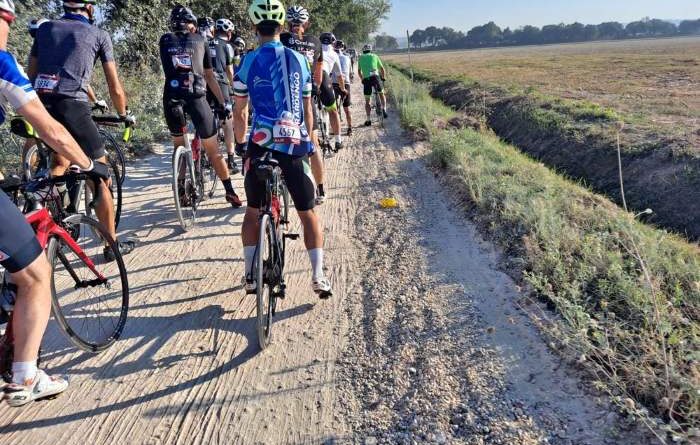
Tuscany's "Strade Bianche," or "white roads," are a network of unpaved gravel paths that weave through the region's rolling hills, vineyards, and medieval villages. These roads, characterized by their light-colored gravel, offer cyclists a unique blend of historical ambiance and challenging terrain. A Ride Through History The Strade Bianche have deep roots in Italian cycling lore. Historically, these roads were essential routes connecting rural communities, and they have remained largely unchanged over the centuries. Cycling on these paths evokes images of past...
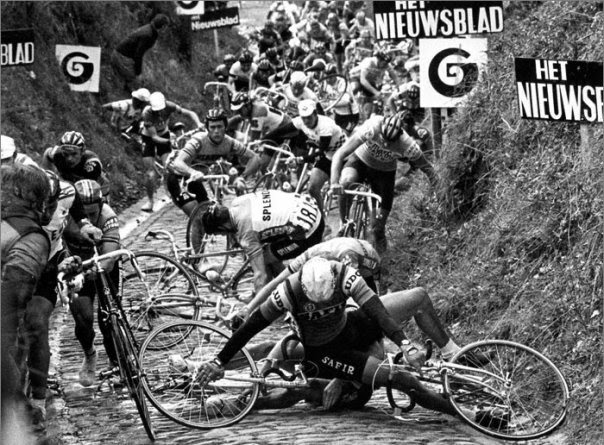
The Tour of Flanders (Ronde van Vlaanderen) is one of the most prestigious and grueling one-day races in professional cycling. Held annually in Belgium, this race is a cornerstone of the Spring Classics and a true test of endurance, skill, and strategy.
During World War II, cycling was not just a sport—it became a means of survival, resistance, and even espionage. While Europe was engulfed in war, some of the world’s top cyclists put aside their racing ambitions to fight, resist, and even save lives. From smuggling messages to serving on the battlefield, these riders became unsung heroes.
Since its first edition in 1903, the Tour de France has been the pinnacle of cycling, a legendary race where champions are made, and history is written. But beyond the epic climbs, breakaways, and sprint finishes, the jerseys worn by riders have become symbols of greatness. Each jersey tells a story—of triumph, perseverance, and cycling heritage. Let’s dive into the history behind the most iconic jerseys of the Tour de France.